
Habits are a design problem, not a willpower problem
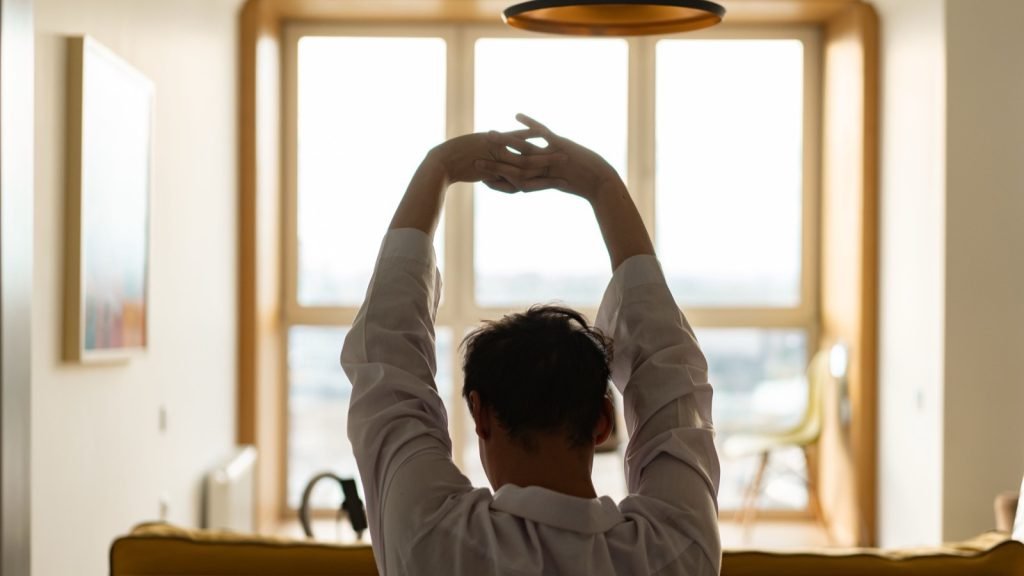
You already know what you should be doing. Eat better, sleep more, move regularly. So why is it so hard to actually do it? The answer is not that you want it less than other people. It is that you are relying on motivation to carry something that ought to be carried by design.
The short version
- Systems beat motivation. Arrange things so that you do not need to feel like it.
- Lower the friction. Make the right thing easy and the wrong thing inconvenient.
- Stack onto an existing habit. The old habit becomes the trigger.
- Start absurdly small. Five minutes that survives ten years beats an hour that survives three weeks.
- Track it simply. A calendar and a pen is enough.
Stop relying on motivation
Motivation behaves like weather. Some mornings it is bright and you would happily train twice; some mornings you cannot get out of bed. Building anything on a variable that unreliable guarantees that your results will be equally variable. Do not plan to want it. Plan so that wanting it is not required.
Make it easier to do than to skip
Want to train in the morning? Lay the kit out the night before. Want to eat less confectionery? Do not have any in the house. Want to drink more water? Put a jug on the desk where you already sit. Friction determines behaviour more reliably than intention does, and the useful thing about friction is that it is entirely under your control. Add steps to what you want less of; remove steps from what you want more of.
Stack new habits onto old ones
The easiest way to establish something new is to attach it to something already automatic. After I pour the morning coffee, I take my vitamins. After I brush my teeth, I do five press-ups. The existing habit becomes the cue, and you stop needing to remember anything — which matters, because remembering is the step that usually fails. A daily multivitamin like Primal Multi is a good candidate precisely because it takes ten seconds and can hang off any fixed point in your morning.
Start smaller than feels worthwhile
Most people fail because they start too big. “I will train an hour every day” lasts three weeks. “I will walk for five minutes after dinner” lasts ten years. The small version is not a compromise — it is the only version that gets a chance to become automatic. Scale up later, once the behaviour costs you nothing to perform.
Track it, but keep the tracking dumb
What gets measured improves, and the measurement does not need an app. A wall calendar with a cross on each day you did the thing works remarkably well, mostly because the unbroken run becomes something you would rather not spoil. Do not argue with the system on a bad day. Do the five-minute version and keep the chain intact.
Supporting the routine
A supplement replaces no habit, but a fixed time of day makes one much easier to remember — which is why so many people keep their capsules next to the coffee machine or the toothbrush. If the routine you are building is around sleep or stress, sleep and stress and anxiety are the places to look, or browse all products for the full range.
Summary
Habits are not built on motivation, they are built on architecture. Make the right thing easy and the wrong thing awkward. Stack the new onto the old, start smaller than feels serious, and keep a record dull enough that you will actually keep it. The discipline is in the setup, not in the doing.
Read next
 A training routine that actually holds: three sessions a week
 Fibre: the most underrated thing on your plateAll products in the shop
This article is informational and does not replace medical advice.