
How much protein do you actually need?
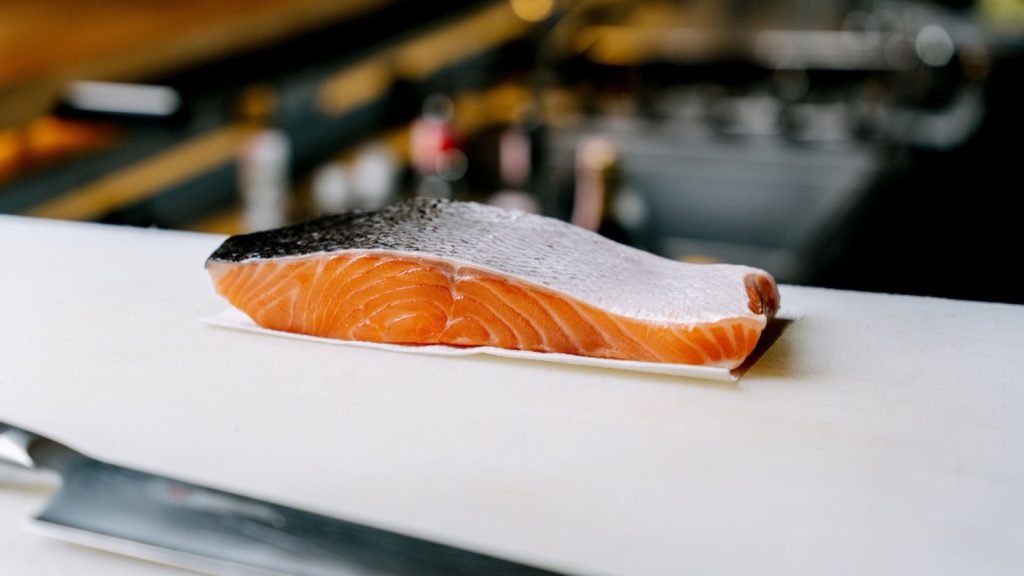
The official protein recommendation across Europe is 0.83 g per kilo of body weight a day. That number is a floor — the amount below which deficiency appears — not a target, and it was never designed with muscle retention in later life in mind. Here is the gap between the minimum and the useful amount.
The short version
- 0.83 g/kg prevents deficiency. It does not optimise anything.
- 1.2–1.6 g/kg is the practical range if you train or you are over fifty.
- Spread it across the day. Roughly 25–40 g per meal beats one large evening dose.
- Breakfast is where most people lose it. The typical European breakfast is almost protein-free.
Where the official number comes from
EFSA’s 0.83 g per kilo is a population reference intake: the amount that covers the requirements of nearly everyone for nitrogen balance. It answers the question “how little can you eat without becoming deficient”, which is a perfectly good question and not the one most people are asking. For a 75 kg adult it works out at about 62 g a day — achievable almost by accident.
Why more, and for whom
Two groups have a well-supported case for eating above the minimum. People doing resistance training, because muscle protein synthesis responds to intake and the stimulus is wasted without the raw material. And people over about fifty, because ageing muscle becomes less responsive to the same dose of protein — a phenomenon usually called anabolic resistance. In both cases the practical range that comes up in the literature is roughly 1.2 to 1.6 g per kilo.
Distribution matters more than the daily total
Your body cannot bank protein. A day that delivers 25 g at breakfast, 35 g at lunch and 40 g at dinner does more for muscle than the same total arriving almost entirely in the evening, which is the shape of most European eating. The threshold that reliably triggers muscle protein synthesis in adults sits somewhere around 25 to 30 g per meal, and higher in older adults. Breakfast is where the fix usually is.
What 30 g looks like
A 150 g chicken breast. Four eggs. A 200 g pot of Greek yoghurt plus a handful of nuts. 200 g of cottage cheese. A cup of cooked lentils plus a slice of wholegrain bread — plant sources are perfectly workable, they simply need a wider spread of foods to cover the amino acid profile. Once you can picture the portions, hitting the number stops requiring arithmetic.
Where a powder earns its place
Whole food first, always. A powder is for the meal where you were realistically going to eat nothing — the morning you leave at seven, or the hour after training. Lineage Complete Protein and Blueprint Longevity Protein at 26 g per serving both cover it, and Bone Broth Protein is the collagen-based alternative. See muscles and recovery for the full range.
Summary
Treat 0.83 g/kg as the floor it is. If you train, or you are past fifty, aim closer to 1.2–1.6 g per kilo, spread across three meals rather than concentrated at dinner. Fix breakfast first — it is where almost everyone’s shortfall lives, and it is the easiest meal to change.
Read next
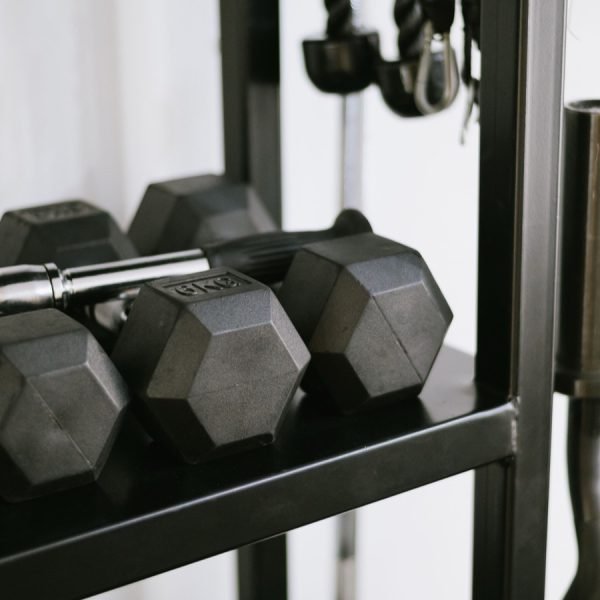 A training routine that actually holds: three sessions a week
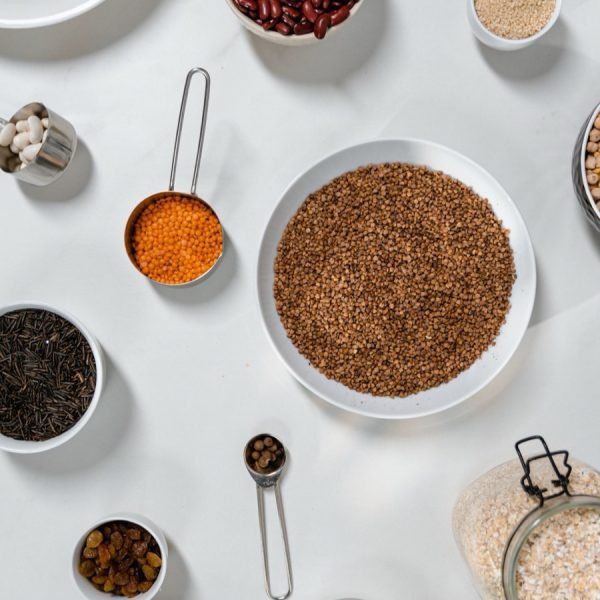 Fibre: the most underrated thing on your plate
 Muscles & recovery in the shop
This article is informational and does not replace medical advice.